

Hurricane-Resistant Roofing: Best Materials for Florida Homes
August 20, 2025
There’s nothing quite like living in Florida. From the year-round sunshine to the beautiful beaches, the lifestyle is second to none. But as every Floridian knows, paradise comes with a price: hurricane season. From June through November, powerful winds and pounding rain put your home to the test. And when it comes to protecting your biggest investment, your roof is your first and most important defense. The wrong roof can leave you with leaks, damage, and costly repairs. The right roof, however, can give you peace of mind — even when the weather outside looks like chaos.
So, which roofing materials stand up best to Florida’s extreme climate? Let’s take a closer look at the top hurricane-resistant options and what makes them ideal for homes in the Sunshine State.
Metal Roofing: Florida’s Storm Warrior
When it comes to strength, metal roofing is hard to beat. Unlike standard shingles that can peel away in strong winds, metal panels interlock tightly, creating a nearly impenetrable shield. Many are rated to withstand winds of 140–160 mph — exactly what you want when a Category 4 hurricane is bearing down.
But it’s not just wind resistance that makes metal roofing a Florida favorite. Metal reflects heat from the sun, helping keep your home cooler and lowering those summer electric bills (a big deal when your A/C is running non-stop). Plus, metal roofs can last 40 to 70 years with proper maintenance, which means most homeowners will never have to replace it again.
Best for:
Homeowners looking for maximum protection and long-term value.
Concrete & Clay Tile: Heavyweight Protection
Drive through a Florida neighborhood and you’ll see plenty of tile roofs — and for good reason. Concrete and clay tiles are heavy, which means they’re much harder for hurricane-force winds to lift. That extra weight is a big advantage during storm season.
Tiles are also naturally resistant to fire, rot, and insects, all common issues in Florida’s hot, humid climate. When installed correctly with strong underlayment, tile roofs can last 50 years or more, giving you beauty and durability in one package.
The tradeoff? Tiles can be brittle if hit by large hail or flying debris. That’s why installation quality matters. A poorly installed tile roof won’t hold up, but one installed to code by a professional roofer is a storm-proof powerhouse.
Best for:
Homeowners who want a balance of curb appeal and storm resistance.
Architectural Asphalt Shingles: Affordable but Tough
Not ready to commit to tile or metal? Architectural asphalt shingles have come a long way in recent years. Today, manufacturers produce shingles that are specially designed to resist high winds — some rated for up to 130+ mph.
They’re more affordable than tile or metal and available in tons of colors and styles, making them a great choice if you want storm protection without breaking the bank. While they won’t last as long as metal or tile, a properly installed architectural shingle roof can give you 20–30 years of solid protection in Florida’s climate.
Best for:
Homeowners balancing budget with reliable storm resistance.
Flat Roof Systems: Coastal & Modern Homes
Florida also has many flat and low-slope roofs, especially in coastal communities and modern-style homes. These roofs require different systems than pitched roofs. The most durable options include:
- TPO (Thermoplastic Polyolefin): Highly reflective, energy-efficient, and resistant to UV damage.
- Modified Bitumen: Flexible and tough, able to handle both heat and storms.
- EPDM Rubber Roofing: Long-lasting and excellent at keeping water out.
Flat roof systems don’t always get as much attention, but when installed correctly, they can be just as hurricane-resistant as other roofing types.
Extra Features That Make a Big Difference
Roofing material is only part of the equation. Florida homeowners should also consider:
- Hurricane Straps & Fasteners: Keep roofing materials secured under extreme wind uplift.
- Waterproof Underlayment: Creates a backup barrier to keep wind-driven rain out.
- Proper Ventilation: Helps reduce pressure buildup inside your attic during storms.
These upgrades may not be visible from the outside, but they make all the difference when the weather turns ugly.
The Bottom Line: Choose a Roof That Can Weather the Storm
In Florida, your roof isn’t just about looks — it’s about survival. Every year, homeowners face the same question: Will my roof hold up if a major storm hits? Choosing the right roofing material now means fewer worries, fewer repairs, and far less stress when hurricane season rolls around.
✅ Metal for unmatched strength and efficiency.
✅ Tile for beauty and heavyweight protection.
✅ Architectural shingles for affordability and resilience.
✅ Flat roof systems for coastal and modern homes.
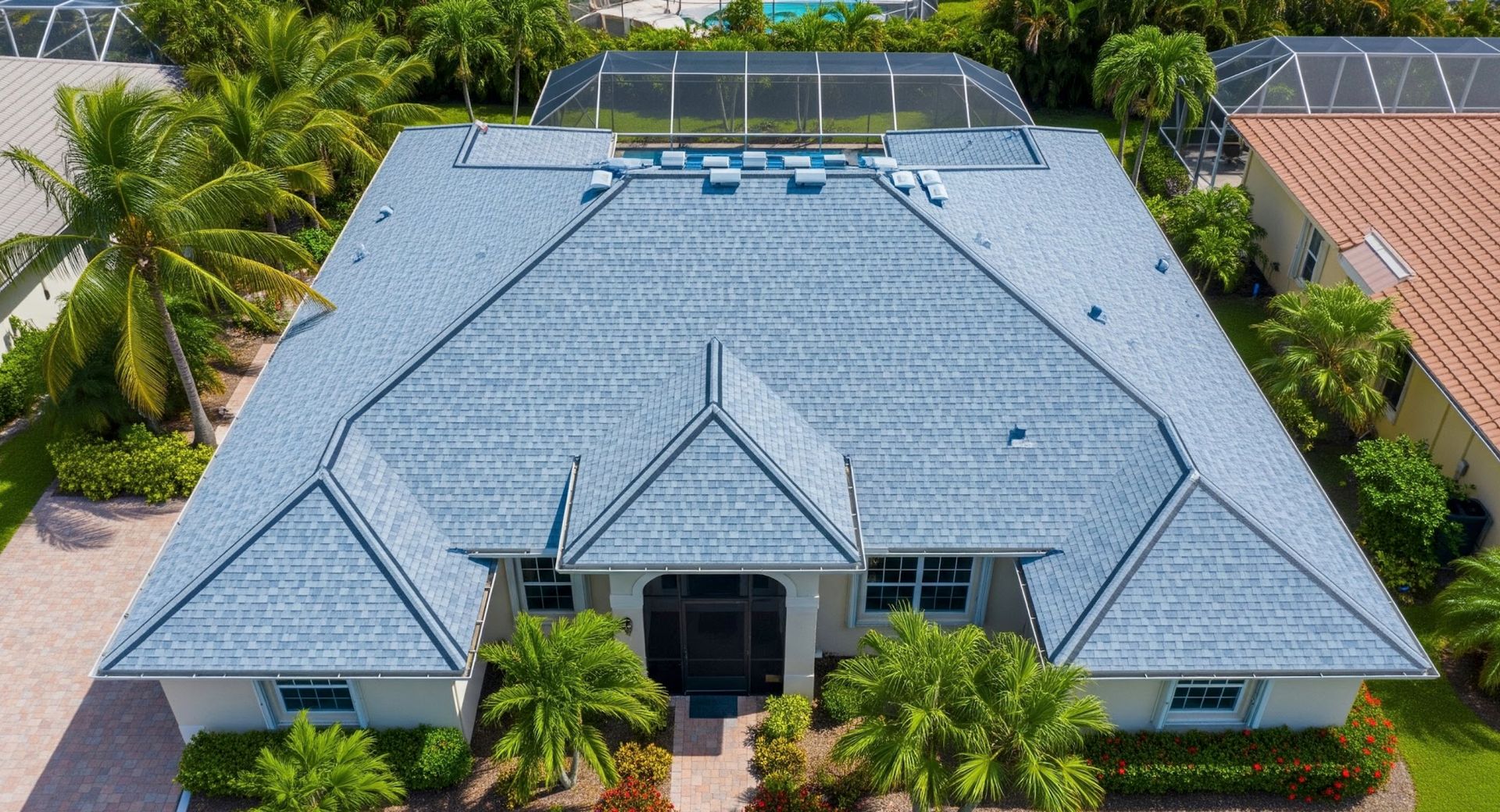
When you live in a place as beautiful and storm prone as Cape Coral, FL , your roof isn’t just another part of the house. It’s your first and most vital line of defense against Florida’s blazing sun, high humidity, and hurricane season downpours. That’s why finding a dependable roofing contractor who knows the local weather, building codes, and roofing needs is more than just smart, it’s essential. Here at Allstate Exteriors , we’ve been proud to provide professional roofing in Cape Coral, FL , delivering high performance results to homeowners throughout neighborhoods like Pelican, Cape Harbour, Trafalgar, and Burnt Store. Our mission is simple: protect homes with expert craftsmanship, premium materials, and trustworthy service . Why Roofing in Cape Coral Requires Specialized Expertise Cape Coral isn’t just another Florida city, it’s a unique community with specific architectural styles, salt air exposure from the Gulf, and frequent tropical weather patterns. The roofs here aren’t just sloped pieces of protection, they’re carefully engineered systems that must withstand intense environmental pressure year after year. When we take on a roofing job in Cape Coral , we bring not only our tools and materials, but also a deep understanding of: Wind uplift ratings necessary for hurricane protection Reflective materials to reduce cooling costs during brutal Florida summers Ventilation solutions to combat moisture and mold Local permit and code requirements specific to Cape Coral and Lee County Whether it’s replacing an old asphalt shingle roof in the Yacht Club area or upgrading to a standing seam metal roof near Surfside Boulevard, we tailor each project for long term durability and local conditions. Real Results: Recent Roofing Projects in Cape Coral We’ve recently completed several roofing projects in Cape Coral that highlight the scope of our expertise and the quality we bring to each job. One standout job took place in the Rose Garden neighborhood. The homeowner reached out after repeated leaks from their 20-year-old tile roof. After a comprehensive inspection, we recommended a total tear off and reinstallation using high end barrel style clay tiles that match the home’s Mediterranean style. The result? Not only does the roof now provide superior water resistance and wind protection, but it also enhances the curb appeal of the entire property. You wouldn’t believe the transformation, and the homeowner couldn’t be happier. In another project over in Southwest Cape Coral near Cape Coral Parkway, we installed a modern metal roofing system for a homeowner looking to increase energy efficiency. Thanks to its reflective coating and seamless installation, the house now stays cooler in the summer and costs less to maintain. Our Roofing Services in Cape Coral, FL No two roofs and no two roofing clients are alike. That’s why we offer a wide variety of roofing services in Cape Coral , tailored for every need and budget: Roof Replacement – Is your roof past its prime? We’ll walk you through the best materials and options available, whether it's asphalt shingles, metal, tile, or flat roof systems. Roof Repair – From missing shingles to flashing failures and wind damage, our repairs are quick, thorough, and built to last. Roof Inspections – Whether you're buying a new home in Cape Coral or just want peace of mind, our inspections help identify potential problems before they become expensive headaches. Emergency Storm Repairs – When tropical weather strikes, we offer fast response service to secure your property and begin the restoration process. Every one of our jobs comes with clear communication, honest pricing, and a team of licensed, insured professionals committed to getting it right the first time.
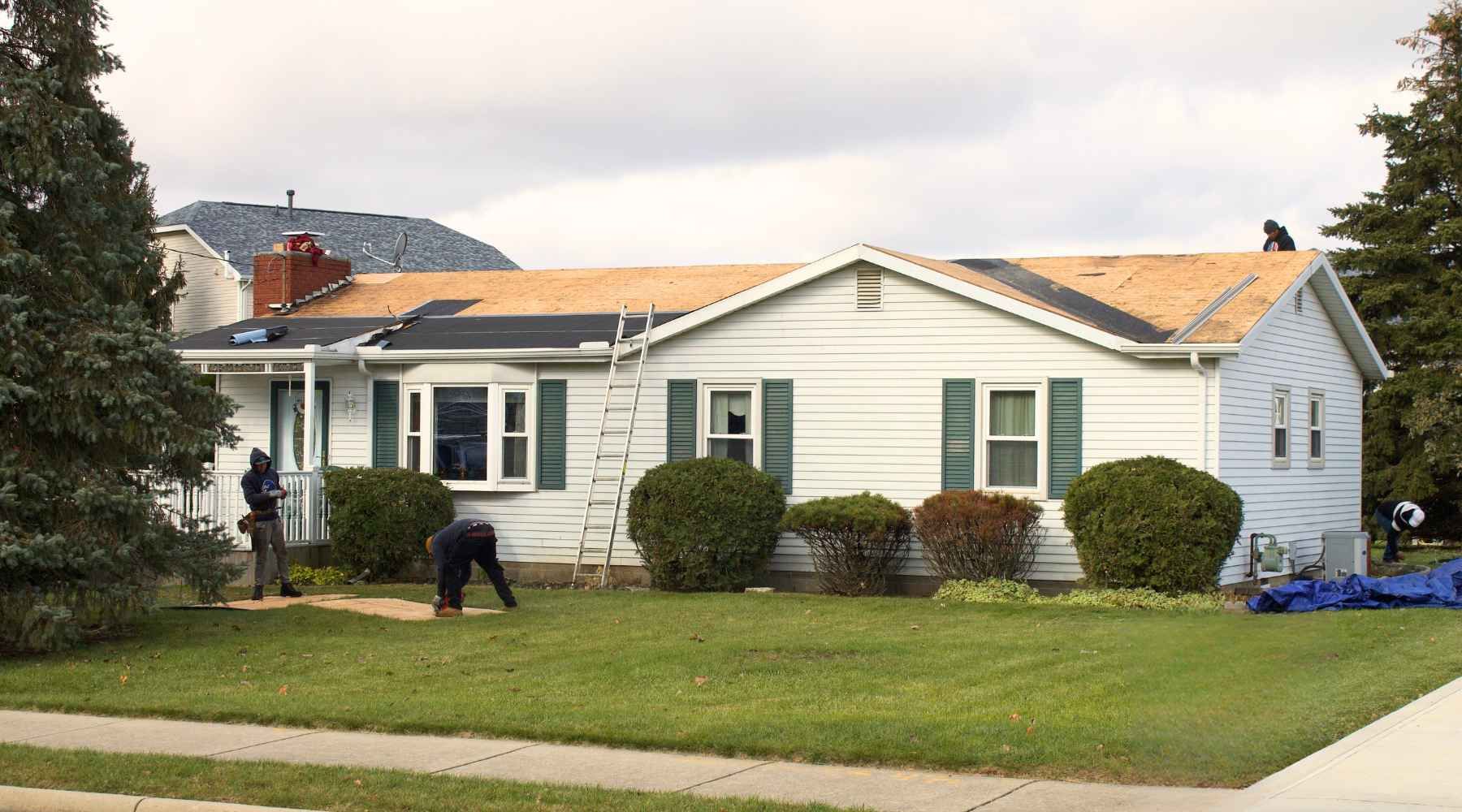
Your roof rarely fails overnight. Most roofing problems start small, subtle, and easy to miss until they turn into expensive repairs. For homeowners in Blacklick, Ohio, catching these early warning signs is one of the smartest ways to protect your home, avoid major disruptions, and extend the life of your roof . With Ohio’s mix of freezing winters, humid summers, and sudden storms, your roof is constantly under pressure. Homes across Blacklick , Reynoldsburg, and Gahanna experience everything from ice dams to wind damage , which means early detection is not just helpful, it is essential. At Allstate Exteriors, we have inspected and repaired hundreds of roofs throughout the area. The pattern is always the same. The homeowners who act early save thousands. The ones who wait often face full replacements sooner than expected. This guide will walk you through how to identify early roof damage, what causes it in Blacklick, and what you can do right now to prevent small issues from becoming costly problems. Why Early Roof Damage Detection Matters Blacklick homes face a unique combination of environmental stress. Winter brings freeze and thaw cycles that expand and contract roofing materials. Summer adds humidity and UV exposure that weaken shingles over time. Small issues such as a lifted shingle or minor flashing gap may not seem urgent. However, these tiny entry points allow moisture to seep in. Over time, that moisture can damage underlayment, rot the roof deck, and even affect your attic insulation. Early roof damage detection is about stopping problems at the surface before they reach the structure beneath. It is not just about avoiding repairs. It is about preserving your home’s integrity. The Most Common Early Signs of Roof Damage Knowing what to look for is the first step. Many signs of early roof damage are visible from the ground or inside your home if you know where to check. Granules in Gutters and Downspouts If you notice a sand-like material collecting in your gutters, those are shingle granules. These granules protect your roof from UV rays. Once they begin to wear away, shingles become vulnerable to cracking and deterioration. Homes in Blacklick often experience accelerated granule loss due to summer heat and storm activity. Curling or Buckling Shingles Shingles should lie flat. If you see edges curling upward or sections that appear uneven, it is a sign that your roof is aging or experiencing moisture issues. Curling shingles are especially common in older roofs across neighborhoods near Broad Street and Waggoner Road. Dark Streaks and Algae Growth Humidity in Blacklick creates the perfect environment for algae growth, especially on shaded roof sections. While it may start as a cosmetic issue, algae can trap moisture and slowly degrade roofing materials. Small Interior Water Stains One of the earliest indoor signs is a faint stain on your ceiling or walls. Even a small discoloration can indicate a slow leak that has been active for weeks or months. Missing or Loose Shingles After storms, it is important to visually check your roof. Even one missing shingle can expose the underlying structure to water damage.
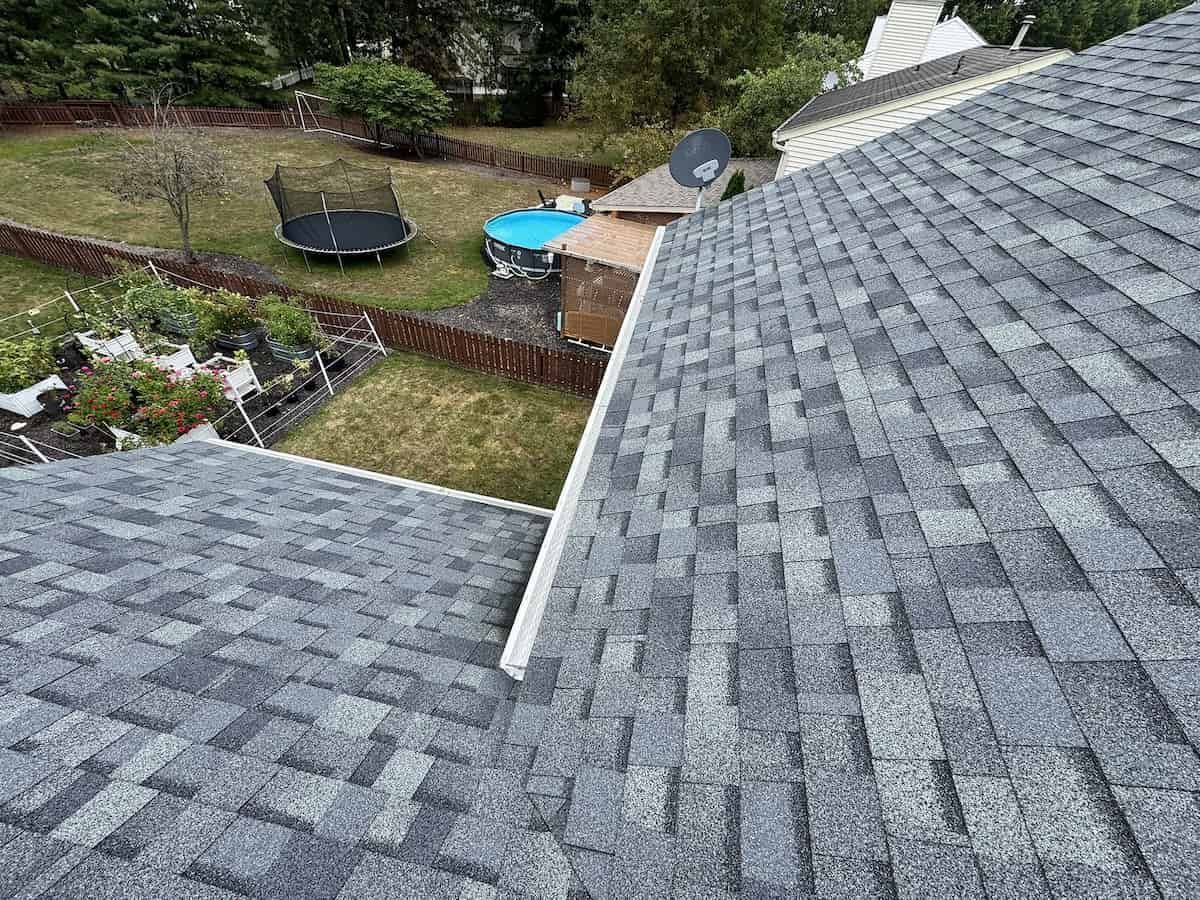
Your home is more than just a place to stash your stuff; it’s the place you’ve poured your life into. Living here in Westerville, we’re lucky to have such a great mix of tight-knit neighborhoods and quick access to everything we need. Whether you’re grabbing coffee near Uptown or taking the kids to spend an afternoon at Inniswood, you know this area is special. But let’s be honest: Ohio weather isn't always kind to our houses. Between the brutal freeze-thaw cycles in the winter and that sticky humidity we get living near the reservoir, your roof takes a beating. It’s the first line of defense for everything inside your walls. If you’ve been spotting a few stray shingles in the yard or just have a nagging feeling that your roof is getting a bit long in the tooth, you’re in the right place. As a local roofing company, we’ve been up on enough Westerville rooftops to know exactly what makes them tick, and what tends to go wrong. Why "Local" Actually Matters There’s a big difference between a national franchise and a crew that actually lives and works here. We aren’t just reading a manual; we’ve dealt with the same storms you have. The Ohio Reality Check We don’t have mild winters here. We have "ice dam" winters. When your attic isn't venting heat properly, the snow on your roof melts, runs down to the eaves, and freezes again. That cycle can force water right under your shingles and into your insulation. If you’ve ever seen water spots on your ceiling after a winter thaw, that’s usually the culprit. On the flip side, our summers can be relentless. All that heat and humidity can lead to moss or algae growth, especially on the north side of the house where the sun doesn't hit as much. If you let that stuff sit, it eventually eats away at the grit on your shingles. Matching the Neighborhood We’ve worked on everything from the historic homes with unique angles to the newer builds in the suburbs. Every home needs a slightly different strategy. A quick patch might be fine for one house, but a total re-roofing might be the smarter, cheaper play for another. We’re not here to upsell you; we’re here to tell you what your specific roof needs to last another 20 years.
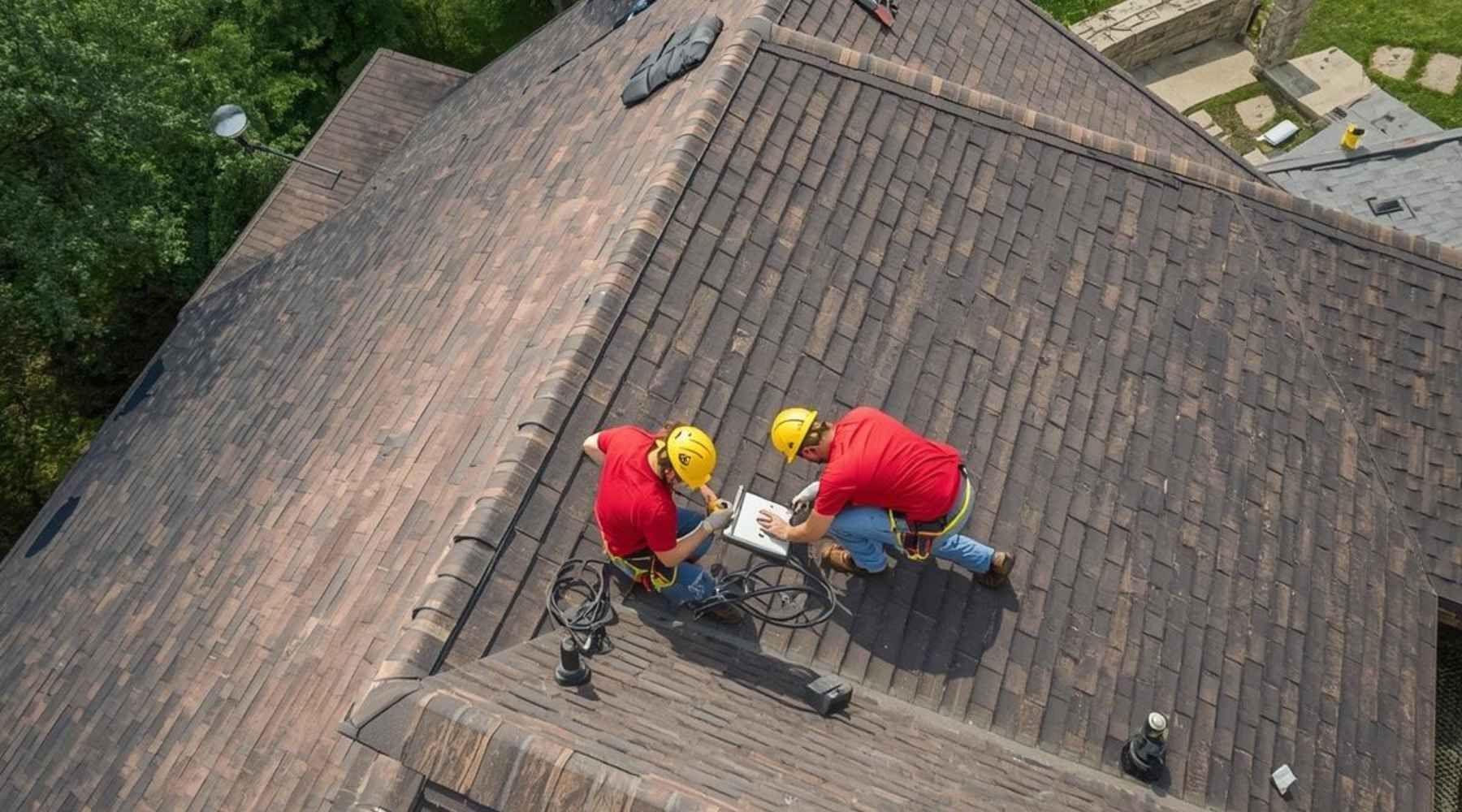
Comprehensive Ohio roofing guide covering repair, replacement, and installation tips for homes and businesses. Protect your roof year-round.
Running a business in Beavercreek, Ohio comes with its unique set of challenges and responsibilities. One of the most critical investments for any commercial property is the roof. A well-designed, high-quality roof protects your building, employees, and assets while enhancing energy efficiency and reducing long-term maintenance costs. Understanding the best options for your property is crucial, and Commercial Roofing Solutions for Beavercreek Businesses from Allstate Exteriors are designed to meet the diverse needs of local businesses throughout Greene County. From office buildings in central Beavercreek to retail centers near Wright-Patterson Air Force Base, commercial roofing requires specialized knowledge. Allstate Exteriors combines decades of experience, local expertise, and a commitment to quality to ensure that your business receives roofing solutions that stand the test of time. Why Commercial Roofing Matters for Beavercreek Businesses Commercial roofs face different pressures than residential roofs. They cover larger areas, often have more complex structures, and are exposed to frequent foot traffic during maintenance. Weather in Beavercreek adds another layer of complexity. Summer storms bring heavy rain and high humidity, while winter conditions include snow, ice, and temperature fluctuations. Over time, these elements can degrade roofing materials if not properly maintained or installed. Investing in a professional roofing system reduces the risk of leaks, structural damage, and costly emergency repairs. It also protects your employees, inventory, and customers from exposure to the elements. A well-planned roof contributes to the operational efficiency of your business and can even improve energy performance, which is increasingly important for modern commercial properties.
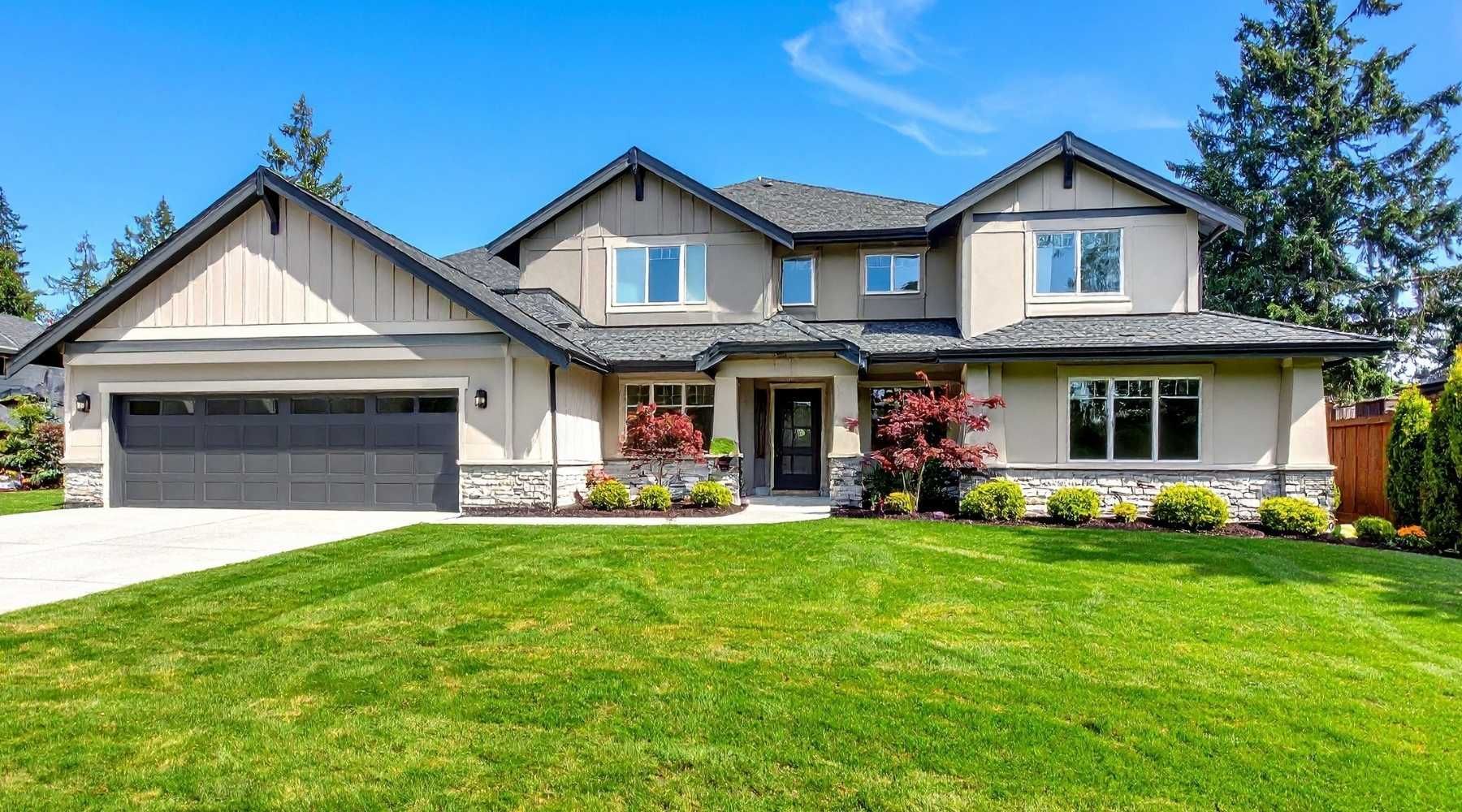
Protect your Bellbrooke, OH home year-round with Allstate Exteriors’ seasonal roof maintenance checklist. Learn expert tips, local insights, and proven strategies to extend the life of your roof and prevent costly damage.