
Comprehensive Roofing Services in Ohio: Expert Roof Repair, Replacement, and Installation Solutions
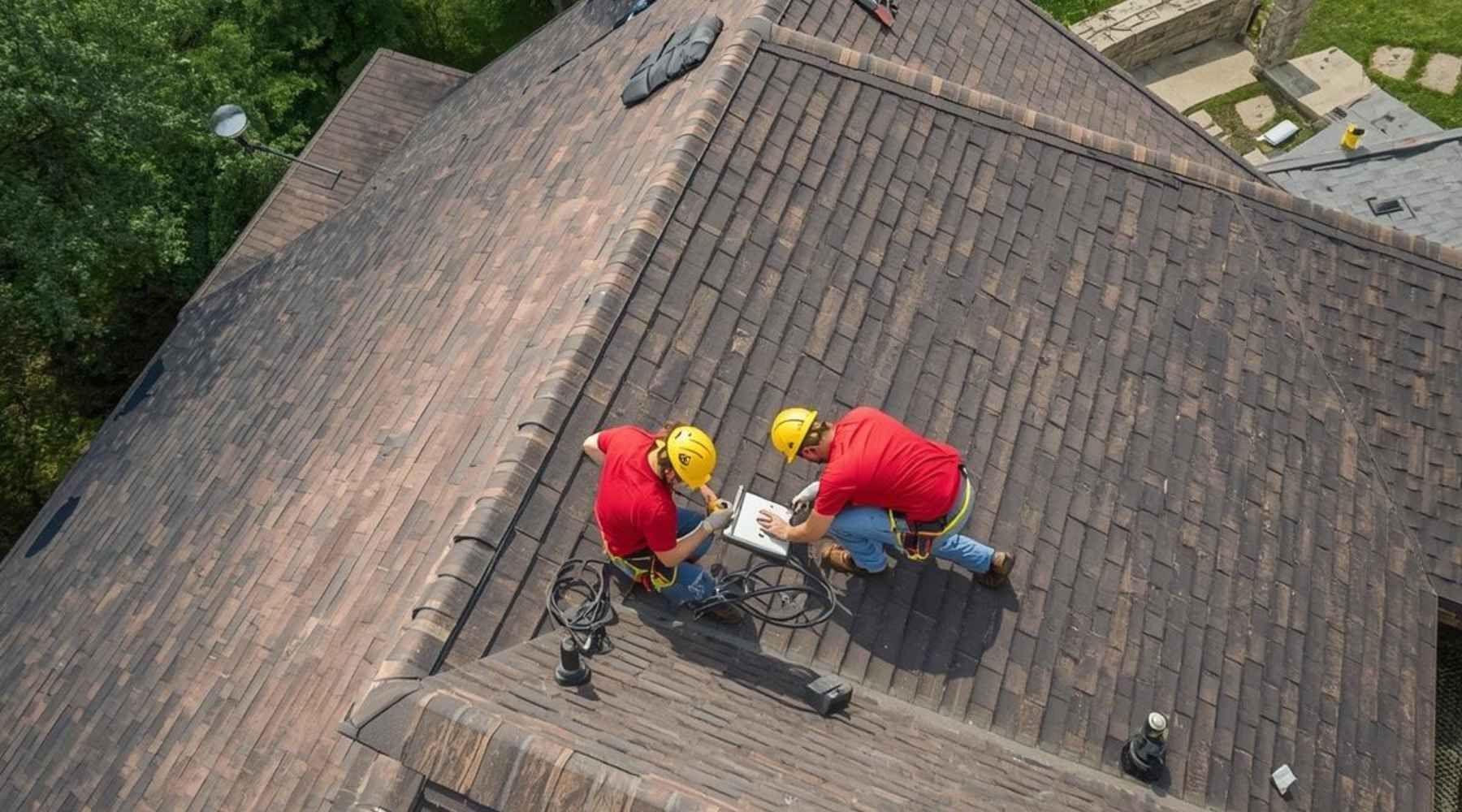
Ohio roofs face a unique combination of weather stressors, cold, snowy winters with ice dams and freeze-thaw cycles, alternating with humid, sun-intense summers that accelerate UV and algae damage, and homeowners need clear, climate-specific guidance on repair, replacement, and installation.
This article explains the full scope of roofing services in Ohio, detailing common repairs, material comparisons for replacements, commercial system options, residential installation best practices, cost ranges and financing choices, prevention strategies for Ohio-specific problems, and how to vet contractors. Readers will learn practical diagnostic steps, seasonal maintenance calendars, data-driven material trade-offs, and transparent process checklists for inspections, timelines, and quality assurance that help reduce surprises.
What Are the Most Common Roof Repair Services in Ohio?
Roof repair services in Ohio typically address storm damage, leaks, shingle failures, flashing problems, and gutter-related issues because the climate amplifies moisture and wind stresses. Professionals evaluate visible damage and interior symptoms, diagnose sources using attic checks and, when needed, infrared imaging, then prioritize repairs that restore water-tightness and prevent structural deterioration. Repair work focuses on stopping active leaks, replacing compromised shingles and underlayment, repairing flashing, and addressing drainage to prevent recurring problems. Understanding the typical repairs and their costs helps homeowners prioritize interventions that protect the roof deck and attic from progressive damage and higher replacement bills.
Common roof repair types and quick definitions:
- Storm Damage Repair: Replace wind-blown or missing shingles, repair torn flashing, and restore roof covering after severe weather.
- Leak Repair: Diagnose entry point (valley, flashing, pipe boot) and patch or replace affected components to stop water intrusion.
- Shingle Replacement: Localized shingle swap or larger re-roof sections to match weathered material and restore integrity.
- Flashing and Skylight Repair: Reseal or replace metal flashing and skylight seals to eliminate chronic leak sources.
- Gutter and Downspout Repair: Clear blockages, fix fasteners, and correct drainage to prevent water backing under shingles.
These repair types form the backbone of routine service offerings; the next section details how storm damage inspections and temporary protections are handled in Ohio.
The following table summarizes key repair categories with symptoms, causes, typical repair time, and estimated cost brackets so homeowners can prioritize urgent needs.
| Repair Type | Symptoms | Typical Repair Time | Estimated Cost Range |
|---|---|---|---|
| Storm Damage Repair | Missing shingles, exposed underlayment, interior leaks | 1–3 days | $300–$3,500 |
| Leak Detection & Repair | Water stains, mold, attic wet spots | 1 day to 1 week | $150–$1,500 |
| Shingle Replacement | Granule loss, curling, cracked shingles | 2–8 hours (local) | $150–$1,200 |
| Flashing Repair | Persistent leaks near chimneys/vents | 1–2 days | $200–$1,000 |
| Gutter Repair | Overflowing gutters, sagging sections | 1 day | $100–$800 |
This table helps prioritize repairs by severity and cost so homeowners can allocate emergency funds or insurance claims efficiently.
How Do Professionals Handle Storm Damage Roof Repair in Ohio?
Storm damage repair begins with a formal inspection to document visible and hidden issues, including photographing damage for insurance and recording roof system conditions. Technicians often apply temporary tarping to exposed areas to prevent further water entry while coordinating with insurers and preparing permanent repair plans. Typical repairs include replacing torn or missing shingles, resetting or replacing flashing, and replacing wet underlayment or damaged decking when necessary. Professionals follow standardized assessment protocols to determine whether repairs suffice or full replacement is the more economical, long-term solution.
Post-repair, the crew will perform a quality check for flashings, fastener placement, and drainage to reduce recurrence; this closure step naturally leads to strategies for detecting elusive leaks and preventing future storm impacts.
What Are Effective Leak Detection and Repair Methods in Ohio?
Effective leak detection uses a combination of attic inspection, interior moisture mapping, and targeted water testing to pinpoint entry points; infrared imaging and moisture meters add precision when visible signs are absent. Common leak origins in Ohio include compromised flashing around chimneys and skylights, pipe boots, roof valleys, and failed underlayment after ice dam events. Timely short-term remedies include targeted patches and sealants, while long-term fixes replace failing flashings, re-shingle affected areas, and correct ventilation or insulation issues that create condensation. Prioritizing permanent repairs over repeated spot fixes prevents structural rot and hidden attic mold growth.
With leaks diagnosed, the next common repair type is shingle replacement and the installation practices that improve long-term performance in Ohio.
How Is Shingle Repair and Replacement Performed for Ohio Roofs?
Shingle repair in Ohio starts with color and profile matching to avoid visible patches and ensure wind-resistance, then progresses to proper fastener placement, underlayment overlap, and sealing of butt joints per manufacturer guidelines. Replacement involves removing damaged shingles, inspecting underlayment and decking, installing ice-and-water shield in vulnerable eaves and valleys, and fastening replacement shingles with correct nail patterns for local wind loads. Material choice and fastening detail influence performance through freeze-thaw cycles and summer heat; correct installation maximizes shingle lifespan and minimizes blow-offs. Regular inspection after storms ensures early detection of loose shingles and prevents escalation to costly decking repairs.
Understanding emergency triggers clarifies when immediate action is required, which the next subsection covers.
When Should You Consider Emergency Roof Repair Services in Ohio?
Emergency roof repair is warranted when there are active interior leaks, visibly missing large roof areas, structural sagging, or compromised fire/egress routes; safety and rapid water exclusion are the primary concerns. Immediate steps include moving belongings out of affected rooms, placing buckets for water, and applying temporary coverings like tarps to exposed roof sections to limit interior damage. Contact emergency repair providers who can stabilize the roof within 24 hours and document conditions for insurance claims to expedite recovery. Emergency response also considers utility and safety risks, for example, water near electrical fixtures and coordinates with specialists when structural support appears compromised.
After immediate stabilization, homeowners should follow documented inspection and repair timelines that integrate insurance processes and permanent corrective actions.
Protect your Ohio property with expert roofing services
What Are the Best Roof Replacement Options for Ohio Homes and Businesses?
Choosing a replacement material in Ohio balances durability, cost, energy efficiency, and suitability for freeze-thaw cycles and humidity. Asphalt shingles remain the budget-friendly default with proven performance for typical residential pitches, metal offers superior longevity and storm resistance with reflective options for energy savings, and premium materials like slate or tile deliver exceptional lifespans for properties engineered to support their weight. Decision factors include roof pitch, local wind and hail exposure, desired lifespan, and lifecycle cost rather than initial price alone. A clear comparison helps homeowners and property managers select materials that align with long-term budgets and Ohio climate stresses.
The table below compares common replacement materials by durability, Ohio suitability, expected lifespan, and average cost ranges to aid selection.
| Material | Durability / Suitability for Ohio Climate | Typical Lifespan | Average Cost Range |
|---|---|---|---|
| Asphalt Shingles | Good in freeze-thaw; moderate algae resistance with treated products | 20–30 years | $4,000–$12,000 |
| Metal Roofing | Excellent wind/hail resistance and reflectivity; sheds snow | 40–70 years | $8,000–$25,000 |
| Slate / Tile | Exceptional longevity; heavy and may need reinforced deck | 75–100+ years | $20,000–$50,000+ |
| Wood Shakes (select use) | Aesthetically pleasing but higher maintenance in humid climates | 25–40 years | $10,000–$30,000 |
How Does Asphalt Shingle Roof Replacement Suit Ohio’s Climate?
Asphalt shingles are widely used in Ohio because they provide reliable water shedding, are cost-effective, and are available with algae-resistant granules for humid summers. Modern architectural shingles offer improved wind resistance for storm seasons and come with warranties that reflect expected performance under local freeze-thaw stresses. Proper underlayment, ice-and-water shield along eaves and valleys, and adequate ventilation dramatically extend service life in Ohio conditions. For homeowners on a budget, quality asphalt systems paired with proactive maintenance yield strong ROI over typical ownership cycles.
What Are the Benefits of Metal Roof Installation in Ohio?
Metal roofing provides longevity, superior wind and hail resistance, and high reflectivity options that reduce summer heat gain and HVAC costs; these attributes make metal an attractive long-term choice in Ohio. Coatings and panel profiles can mitigate noise concerns, and properly designed metal systems shed snow to reduce load and ice dam risk on steep pitches. Higher initial cost is offset by lower maintenance, longer replacement intervals, and often better resale value for energy-efficient upgrades. Property owners should weigh upfront capital versus lifecycle savings and verify that roof framing and flashings are specified for metal installation.
When Is Slate or Tile Roofing Recommended for Ohio Properties?
Slate or tile roofing is recommended for buildings where architectural character, longevity, and low maintenance justify higher initial costs and where the structure can support the roof’s weight. These materials require reinforced decking and experienced installers to protect against water ingress at penetrations and to ensure long-term performance across Ohio’s weather cycles. For historic properties, landmark homes, or owners prioritizing lifetime durability, slate or tile deliver outstanding service life and minimal replacement frequency. Budget and structural assessment are critical; select projects where the long-term value and aesthetic benefit outweigh upfront investment.
How Does Roof Replacement Process Work in Ohio?
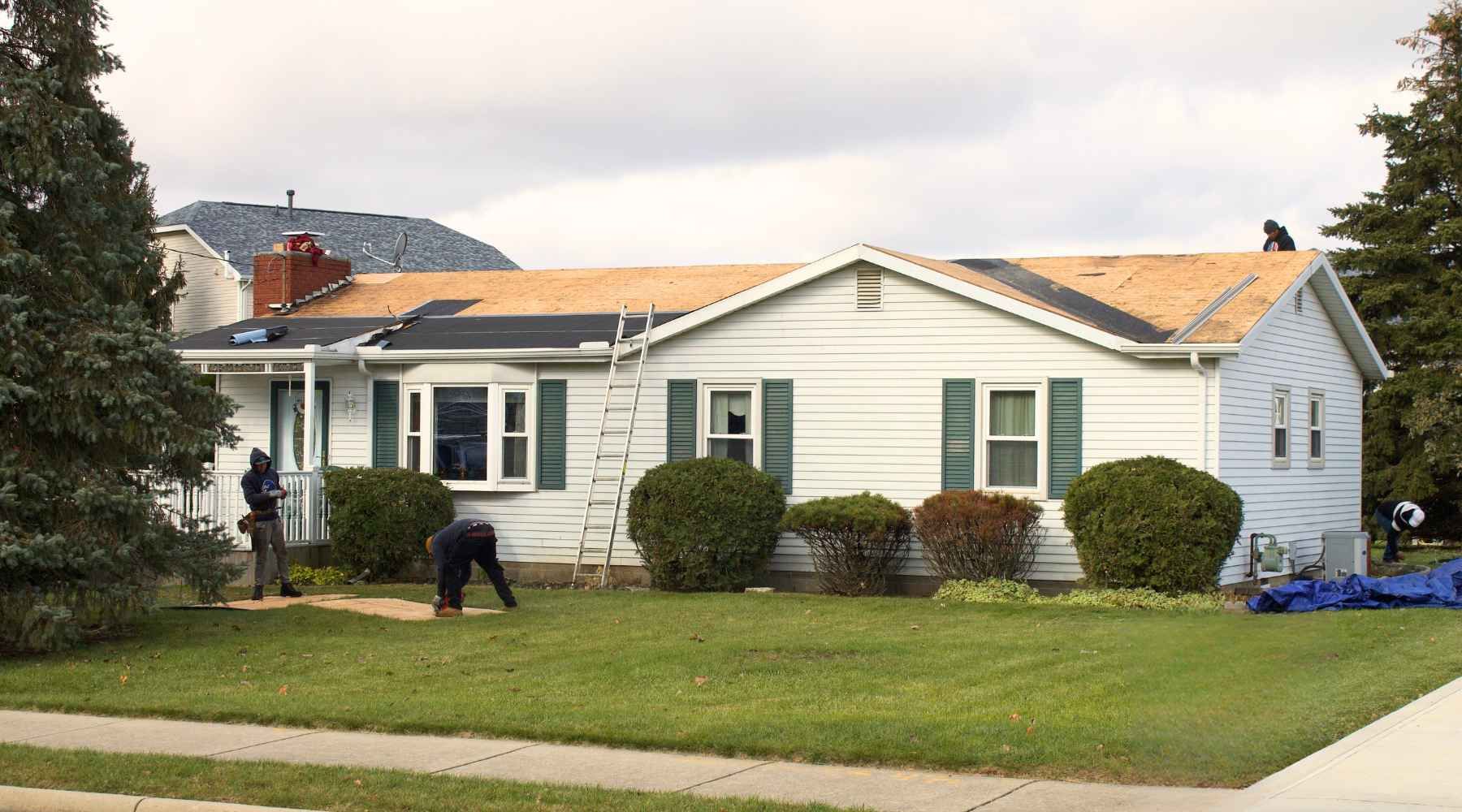
A typical Ohio replacement starts with a detailed inspection and damage assessment, followed by a written estimate that identifies materials, timeline, and permit responsibilities. Once materials are selected, scheduling considers seasonal weather windows, spring through early fall are ideal, and the crew prepares the site with protective measures for landscaping and gutters. Installation includes decking inspection, underlayment and ice-and-water shield placement, shingle or panel installation, flashing detail work, and thorough cleanup; final quality assurance assures warranties and proper ventilation. Disposal, permit sign-offs, and a post-installation walkthrough with the homeowner complete the process.
This transparent process reduces surprises and streamlines insurance or financing steps that often accompany larger projects.
How Do Commercial Roofing Services in Ohio Address Business Needs?
How Do Commercial Roofing Services in Ohio Address Business Needs?
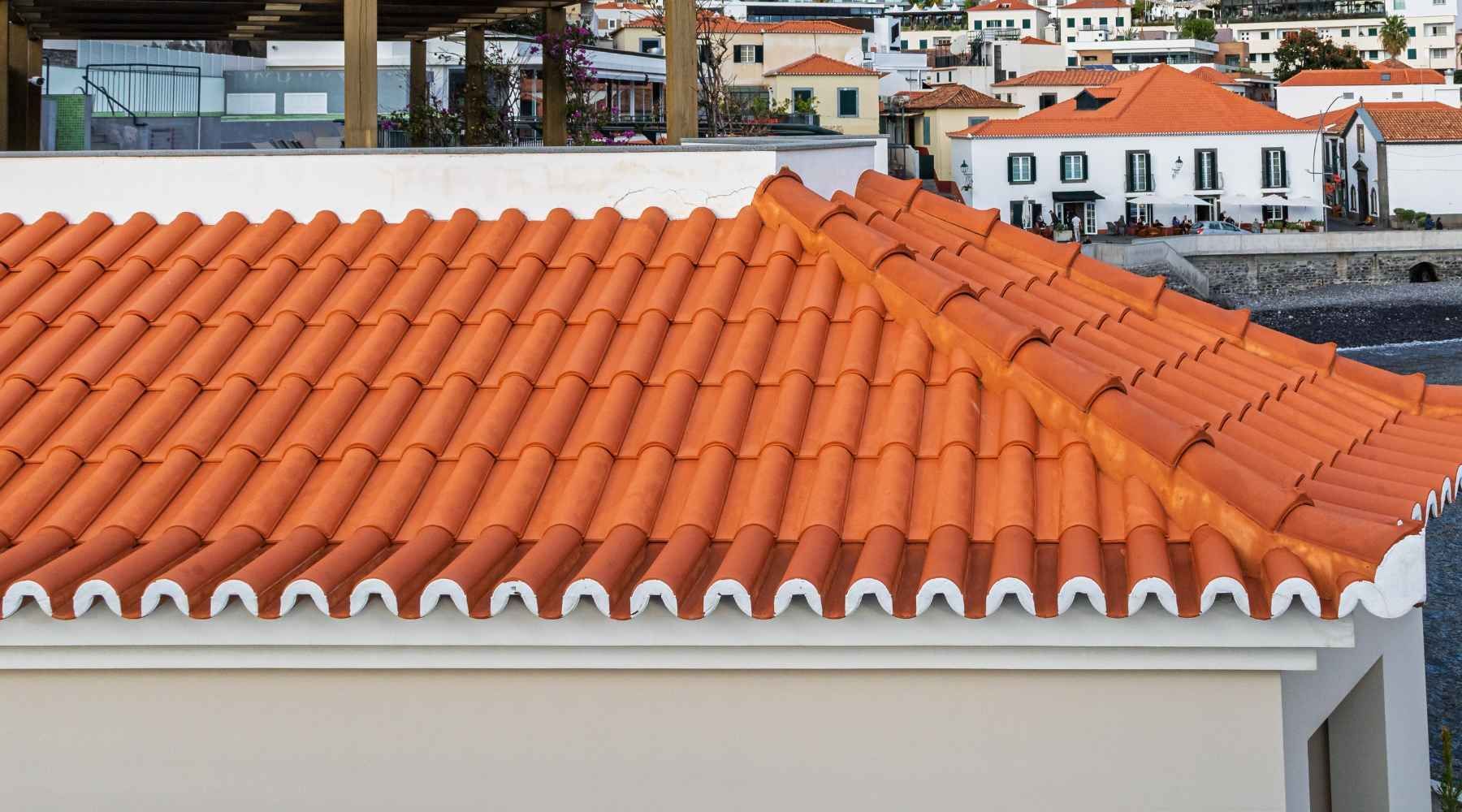
Commercial roofing in Ohio focuses on flat or low-slope systems, long service life, ease of maintenance, and minimizing operational disruption while improving energy performance where possible. Asset managers prioritize membrane durability, roof coatings to extend life, reliable drainage to prevent ponding, and detailed maintenance plans to avoid unexpected failures. Work scopes commonly include building-specific considerations such as rooftop equipment flashing, access safety, and phased installations to keep businesses operational. Clear lifecycle planning helps decision-makers compare repair versus replacement economics and schedule interventions to reduce total cost of ownership.
What Are the Key Features of Flat Roof Repair for Ohio Commercial Buildings?
Flat roof repairs address membrane breaches, punctures, seam failures, and drainage problems that cause ponding water; common membranes include TPO, EPDM, and modified bitumen. Repair strategies range from localized patching with compatible materials to strip-and-replace when seams, insulation, or deck conditions indicate systemic failure. Effective flat roof maintenance emphasizes regular inspections, cleaning scuppers and drains, and timely repair of flashing around rooftop penetrations. Case examples show that proactive coating and drainage upgrades reduce emergency repairs and prevent interior water damage.
How Do Commercial Roof Coatings Improve Longevity in Ohio?
Commercial roof coatings: silicone, acrylic, and elastomeric systems seal minor defects, enhance reflectivity to reduce cooling loads, and can add years to membrane life when applied to sound substrates. Coatings work best as part of a maintenance program and are cost-effective when membranes are structurally intact but showing surface deterioration. Expected life-extension varies by type and application thickness, and routine re-coating cycles every 7–15 years are common to preserve performance. Coatings are a valuable mid-life investment for commercial owners seeking to defer replacement while improving energy efficiency.
Which Roofing Materials Are Preferred for Ohio Commercial Properties?
Preferred commercial materials depend on building use: membrane systems (TPO, EPDM) for low slopes, metal panels for pitched sections, and built-up roofing for heavy-duty applications where redundancy matters. Decision criteria include insulation needs, rooftop equipment interfaces, maintenance access, and expected service life under local weather stresses. Trade-offs involve upfront cost versus maintenance intensity and energy performance; for example, cool TPO systems reduce HVAC load while EPDM offers proven durability in certain contexts. Property managers should evaluate lifecycle costs and maintenance regimes to select the best fit for each asset.
What Should Ohio Homeowners Know About Residential Roofing Services?
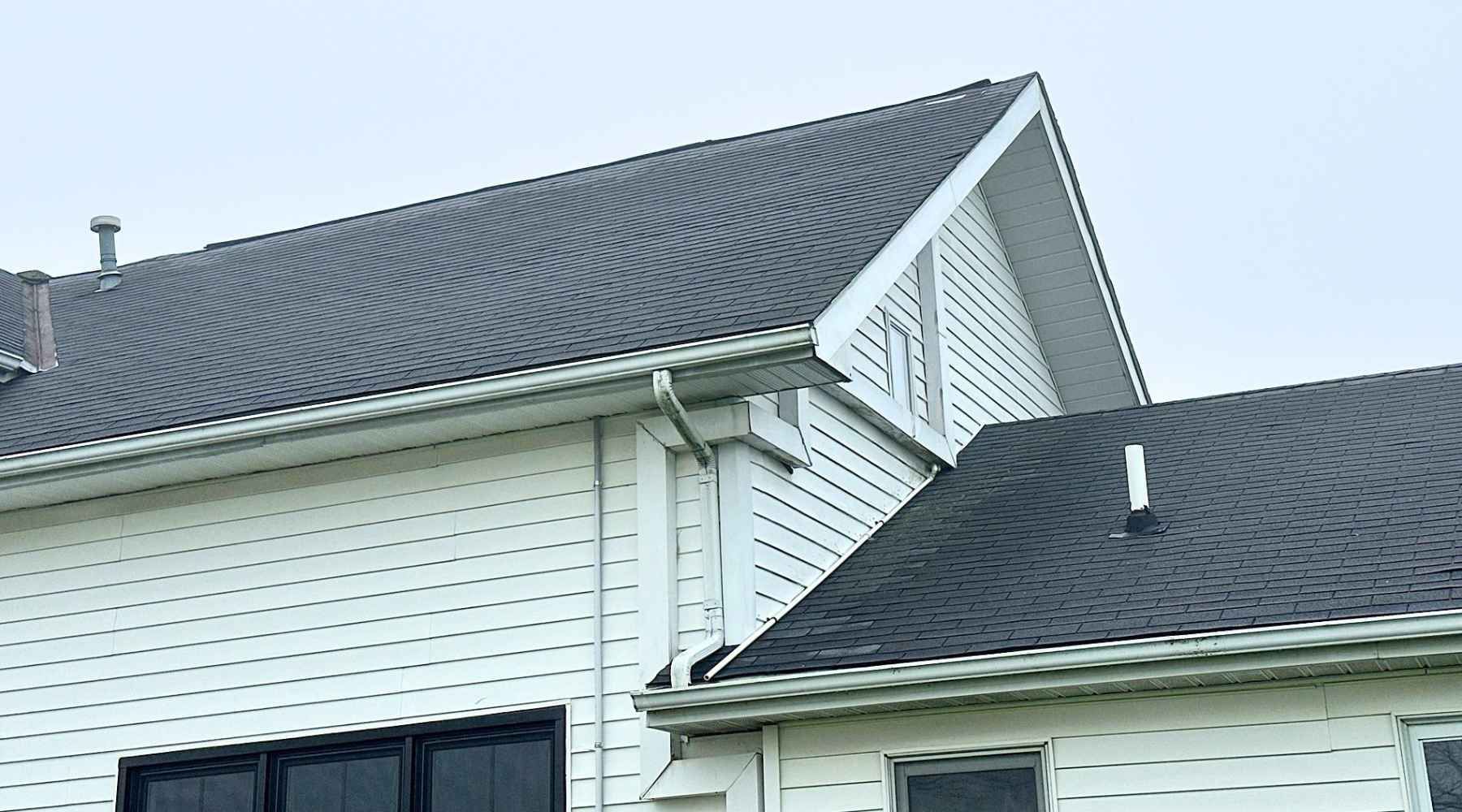
Residential roofing services in Ohio combine climate-aware installation techniques, seasonal maintenance, and ventilation strategies to prevent ice dams, condensation, and premature material failure. Key homeowner considerations include roof pitch, underlayment and flashing standards, attic insulation and ventilation balance, and a seasonal maintenance calendar to catch issues before they escalate. Homeowners should prioritize systems that include ice-and-water shield in vulnerable zones, proper soffit and ridge ventilation, and contractor warranties aligned with manufacturer requirements. Regular proactive upkeep dramatically reduces emergency repairs and maximizes lifecycle value for any chosen roofing material.
- Spring inspection and gutter cleaning: Remove winter debris, check for shingle damage, and verify flashing integrity.
- Pre-summer check: Inspect attic ventilation, look for signs of condensation, and clear vent obstructions.
- Post-storm assessment: After high winds or hail, photograph damage, check shingles and gutters, and document for insurance.
- Autumn preparation: Clear leaves, ensure gutters are secure, and inspect eaves for ice-dam vulnerability.
How Is New Roof Installation Tailored for Ohio Homes?
New roof installation in Ohio emphasizes underlayment quality, ice-and-water shield in eaves and valleys, correctly installed flashing, and sufficient ventilation to manage humidity and prevent ice dams. Installers coordinate underlayment type with shingle choice, specify vents and insulation levels to meet local codes and energy goals, and schedule work during favorable weather windows to avoid exposure. Proper nail patterns, starter course application, and drip edge installation are small details that significantly influence wind and water resistance. Homeowners should confirm written scope, materials, and ventilation plans before work begins to ensure climate-appropriate installation.
What Are Essential Residential Roof Maintenance Practices in Ohio?
Essential maintenance includes regular gutter cleaning, seasonal shingle and flashing inspections, attic moisture control, and removing algae or moss growth as needed to protect shingle coatings. Inspect roofs after storms and document any damage promptly; small repairs now prevent larger failures later. Periodic professional inspections every 2–3 years identify hidden issues like degraded underlayment or compromised flashing that DIY checks might miss. Implementing a maintenance schedule keeps warranties valid, reduces emergency costs, and extends the useful life of the roof system.
How Does Attic Ventilation Impact Ohio Residential Roof Health?
Balanced attic ventilation combined with adequate insulation prevents heat loss through the roof deck that melts snow unevenly and forms ice dams along eaves, and it reduces attic humidity that can degrade underlayment and sheathing. Common ventilation systems include soffit intake and ridge exhaust vents, gable vents, and powered attic ventilators used selectively; the objective is to create airflow that keeps roof sheathing near outdoor temperatures. Inspect for blocked soffits or insulation covering vents, verify recommended R-values for attic insulation, and correct any airflow obstructions. Proper ventilation reduces long-term maintenance needs and improves comfort and energy efficiency in Ohio homes.
How Much Do Roofing Services Cost in Ohio and What Financing Options Are Available?
Roofing costs in Ohio vary by project type, material choice, roof complexity, labor and permit requirements; understanding key cost drivers helps set realistic budgets. Small repairs can be a few hundred dollars, while full replacements span ranges based on material class and home size. Financing options include contractor financing plans, personal loans, home equity lines, federal or state assistance programs where available, and insurance claims for storm damage when coverage applies. Clear cost tables and examples enable homeowners to compare trade-offs between upfront expense and lifecycle value.
Intro to cost estimation table: The following table breaks typical project types into cost ranges, key drivers, and common financing choices so homeowners can estimate and plan.
| Project Type | Typical Cost Range | Key Cost Drivers | Common Financing Options |
|---|---|---|---|
| Minor Repairs | $150–$1,500 | Localized damage, access | Personal loan, savings |
| Major Repairs | $1,500–$7,000 | Decking replacement, large areas | Contractor financing, insurance |
| Full Replacement (Asphalt) | $4,000–$12,000 | Roof size, pitch, tear-off | Home equity, personal loan |
| Full Replacement (Metal/Slate) | $8,000–$50,000+ | Material, structure reinforcement | Home equity, phased financing |
Summary of financing: For insured storm damage, document thoroughly and engage adjusters early; for planned replacements, compare loan terms, contractor financing, and home equity options to select the most cost-effective approach for your timeline.
Business note (non-promotional): Many contractors and financial institutions offer project-based financing and scheduled payment plans; homeowners should request written financing terms and a detailed estimate before committing to a project. If you plan to request a quote or schedule an inspection, have your property address, recent storm dates, and photos, and approximate roof dimensions ready.
What Factors Influence Roof Repair and Replacement Costs in Ohio?
Costs are influenced by roof size and pitch, material selection, labor rates, accessibility, required decking or structural repairs, permit and disposal fees, and seasonal demand that affects scheduling. Complex roofs with multiple penetrations, steep slopes, or historical materials increase labor time and specialized flashing work. Local code requirements and required ice-and-water safeguards in vulnerable zones add to material and labor costs. Accurately assessing these variables upfront reduces change orders and ensures more reliable budgeting.
What Is the Average Cost Range for Roofing Projects in Ohio?
Average costs vary by home size and material: a small asphalt replacement on a single-story home may fall near the lower asphalt range, while a large, steep, multi-story replacement with premium materials sits at the upper end. Minor repairs typically cost under $1,500 while major replacements for medium homes commonly fall in the $6,000–$20,000 bracket depending on materials. Premium projects with slate, extensive decking repairs, or complex roof geometry can exceed those ranges substantially. Use the cost table above as a planning baseline and obtain three written estimates to compare scopes and warranties.
Which Financing Options and Home Improvement Loans Support Ohio Roofing?
Financing vehicles include personal loans for moderate projects, home equity loans or lines of credit for larger investments, specialized contractor financing for staged payments, and insurance settlements for storm-related damage. Each option differs in interest rates, tax implications, and approval timelines, so homeowners should evaluate total cost over loan life and consult financial advisers for large projects. Local assistance or grant programs occasionally exist for energy-efficiency upgrades; check municipal resources for possible support. Maintain clear documentation of estimates and invoices to simplify loan approval and potential tax or insurance processes.
What Are the Most Common Roof Problems in Ohio and How Can They Be Prevented?
Ohio roofs commonly face storm and wind damage, hail bruising, ice dams, algae, and UV degradation, each driven by the state’s seasonal extremes. Prevention focuses on correct installation details (ice-and-water shield, durable flashing), balanced attic ventilation and insulation to prevent ice dams, regular gutter maintenance to avoid water backup, and timely cleaning or algae-resistant products to preserve shingle coatings. A proactive maintenance plan including seasonal inspections, prompt minor repairs, and scheduled professional assessments reduces the frequency and cost of major interventions. Understanding problem mechanisms enables targeted prevention that extends roof service life.
Key problem-prevention checklist:
- Install ice-and-water shield in eaves and valleys to reduce ice dam leaks.
- Maintain balanced ventilation and insulation to prevent attic heat loss and condensation.
- Clean gutters seasonally to ensure proper drainage and prevent ponding or overflow.
- Use algae-resistant materials or preventive strips to limit biological growth in humid months.
These prevention strategies form the basis for targeted solutions to common Ohio roofing issues; the following H3s explore causes and remedies.
How Does Ohio Weather Cause Storm, Wind, and Hail Damage?
Ohio storms can generate high winds that lift or dislodge shingles, hail that bruises and fractures shingle surfaces, and flying debris that punctures membranes; the cumulative effect accelerates deterioration. Inspection signs include granule loss, visible dents, torn shingles, or compromised flashings. After storms, promptly document damage with photographs, keep repair receipts, and file insurance claims where appropriate to recover repair costs. Rapid temporary protection such as tarping prevents secondary water damage while permanent repairs are coordinated.
What Are Effective Solutions for Ice Dam Prevention on Ohio Roofs?
Preventing ice dams requires continuous insulation and balanced ventilation that keeps roof sheathing near outside temperatures, reducing snowmelt that refreezes at eaves. Methods include increasing attic insulation to recommended R-values, ensuring soffit intake and ridge exhaust are unobstructed, installing ice-and-water shield in eaves and valleys, and considering heated cables as a temporary measure in problem zones. Regular gutter cleaning and proper attic air sealing further reduce conditions that foster ice dams. Addressing these factors permanently is more effective than repeated temporary fixes.
How Can UV Damage and Algae Growth Be Managed on Ohio Roofs?
UV-resistant materials and reflective coatings reduce solar degradation, while algae-resistant shingles and copper or zinc strips near ridges inhibit biological growth common in humid summers. Regular cleaning with appropriate roof-safe solutions and professional soft-washing removes established algae and moss without damaging granules or membranes. Long-term management includes selecting treated shingles in initial replacement and scheduling periodic cleaning every few years as part of preventive maintenance. Combining material choice with maintenance keeps roofs both functional and attractive over time.
How Do You Choose the Right Roofing Contractor in Ohio?
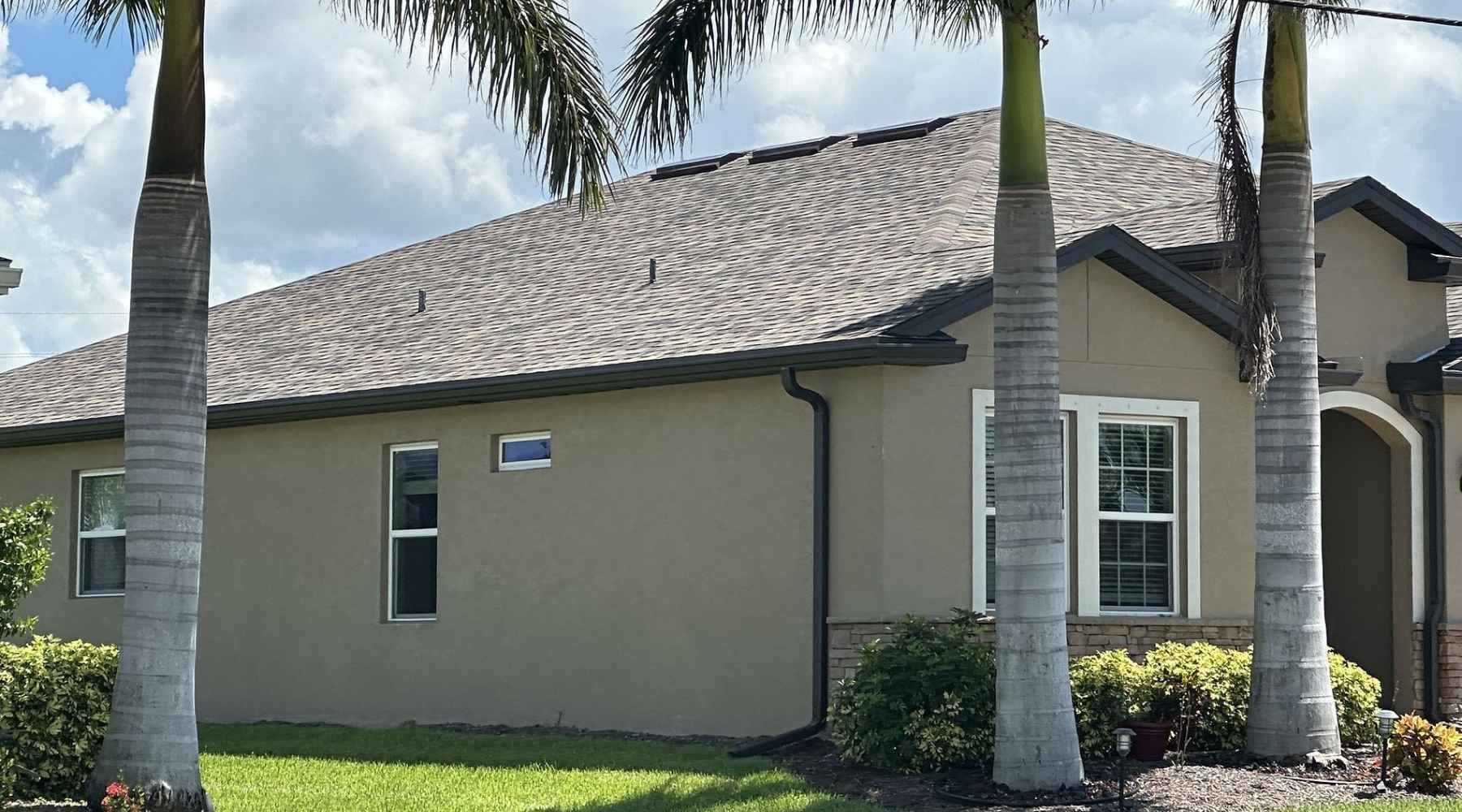
Choosing the right contractor involves verifying licensing and insurance, checking certifications that indicate manufacturer training, reviewing local references and warranty terms, and comparing written estimates for scope and quality. Contractors with documented experience in Ohio climate issues: ice dam mitigation, proper ventilation installations, and storm repair documentation for insurance, are better positioned to deliver durable outcomes. Seek clear contracts that spell out materials, timelines, cleanup responsibilities, and warranty transferability to protect your investment. A structured vetting process reduces risk and ensures accountability.
Checklist for vetting contractors and next steps:
- Verify licensing and insurance: Confirm general liability and workers’ compensation coverage.
- Request written references and project photos: Prioritize similar Ohio climate projects.
- Compare detailed written estimates: Look for itemized materials, tear-off terms, and ventilation scope.
- Confirm warranty and workmanship guarantees: Ensure documentation for both product and installation.
Why Is Certification Like GAF Important for Ohio Roofing Contractors?
Manufacturer certifications such as GAF indicate installers have met training and quality standards required for enhanced warranty programs and correct application of proprietary systems. Certification typically grants access to extended warranty options and signals that a contractor follows approved installation practices that affect long-term performance under regional weather stress. Homeowners should ask for verification of any claimed certifications and confirm the effect on warranty terms before selecting materials. Certification reduces execution risk and helps ensure warranty validity when properly documented.
What Should You Look for in Local Ohio Roofing Specialists?
Local specialists should demonstrate experience with Ohio codes and climate challenges, offer clear references for nearby projects, and show competence in ventilation, ice-and-water protection, and storm claims documentation. A trustworthy specialist provides a written contract, transparent pricing, cleanup commitments, and a defined inspection and QA checklist post-installation. Local presence matters for timely service and community references, and contractors familiar with municipal permitting streamline the process. Prioritize specialists who explain technical decisions and provide clear maintenance recommendations.
If you want an impartial contractor evaluation or free inspection, request a written scope and a photographed condition report; have your roof photos, recent storm dates, and basic roof dimensions ready to speed the process.